Panel
New Missions in NLP Research
Large language models have rapidly shifted from research prototypes to widely used infrastructure. This new reality is changing the center of gravity of NLP research, and progress can no longer be measured only by fractional improvements in benchmark scores. When strong general-purpose models are increasingly available through open releases and commercial platforms, the field faces a more foundational question: What are the missions of NLP research now, and what kinds of contributions most advance that mission?
This panel will focus on EMNLP 2026’s special theme to discuss and advance visions for NLP in this era.
Date
Sunday, October 25th, 14:00-15:30
Panelists
Dirk Hovy

Bio: Dirk Hovy is a Professor in the Computing Sciences Department of Bocconi University in Milan, where he co-leads the MilaNLP lab. He is also the scientific director of the Data and Marketing Insights research unit. He is interested in what computers can tell us about language and what language can tell us about society. That includes questions of bias and algorithmic fairness in machine learning. He has authored over 150 articles on these topics, including 3 best and one outstanding paper awards, and has also published two textbooks on text processing in Python for social scientists. He has co-founded and organized several workshops (on computational social science, and ethics in NLP), and was a local organizer for EMNLP 2017 and general chair for EMNLP 2025.
Lillian Lee

Bio: Lillian Lee is the Charles Roy Davis professor of computer science at Cornell University. Her research interests include natural language processing and computational social science. She is a AAAI Fellow, an ACL Fellow, and an ACM Fellow. She is a recipient of best paper awards at ACL 2023 (joint with Jack Hessel, Ana Marasović, Jena Hwang, Jeff Da, Rowan Zellers, Bob Mankoff, and Yejin Choi, one of three awarded), NAACL 2004 (joint with Regina Barzilay, inaugural, one awarded), and the IJCAI 2016 “Natural Language Processing Meets Journalism” workshop (joint with Liye Fu and Cristian Danescu-Niculescu-Mizil, one awarded); Test of Time awards from NAACL 2018 for a paper between 2002-2012 (joint with Bo Pang, inaugural, one of three awarded) and ACL 2024 for 25 years (one awarded); and the ACL 2021 Distinguished Service Award for her work with TACL. Her co-authored work has received several mentions in the popular press, including The New York Times, NPR’s All Things Considered, and NBC’s The Today Show; and one of her co-authored papers on the memorability of movie quotes was publicly called “boring” by YouTube channel Good Mythical Morning in a video viewed over 2.7 million times.
Mor Geva
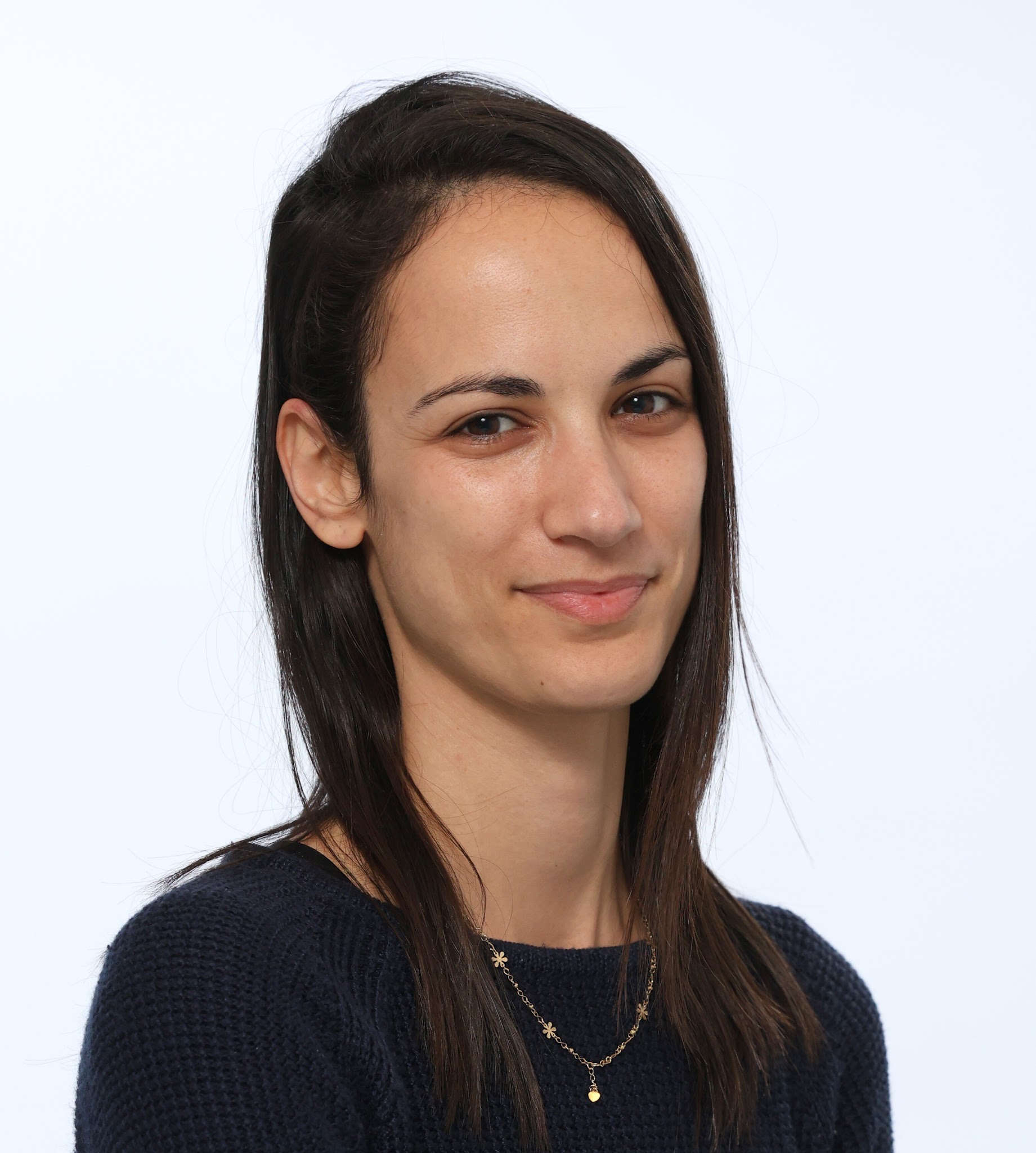
Bio: Mor Geva is an Assistant Professor at the School of Computer Science and AI at Tel Aviv University. Her research focuses on understanding the inner workings of large language models to increase their transparency, control their behavior, and improve their reasoning abilities. Mor completed a Ph.D. in Computer Science at Tel Aviv University, was a postdoctoral researcher at Google DeepMind and the Allen Institute for AI, and worked as a Research Scientist at Google Research. She is a recipient of Intel’s Rising Star Faculty Award (2024), the Alon Scholarship for Outstanding Faculty (2024), EMNLP Best Paper Award (2024), EACL Outstanding Paper Award (2023), MIT Rising Star in EECS nomination (2021), and the Dan David Prize for Graduate Students in the field of AI (2020).
Raymond J. Mooney
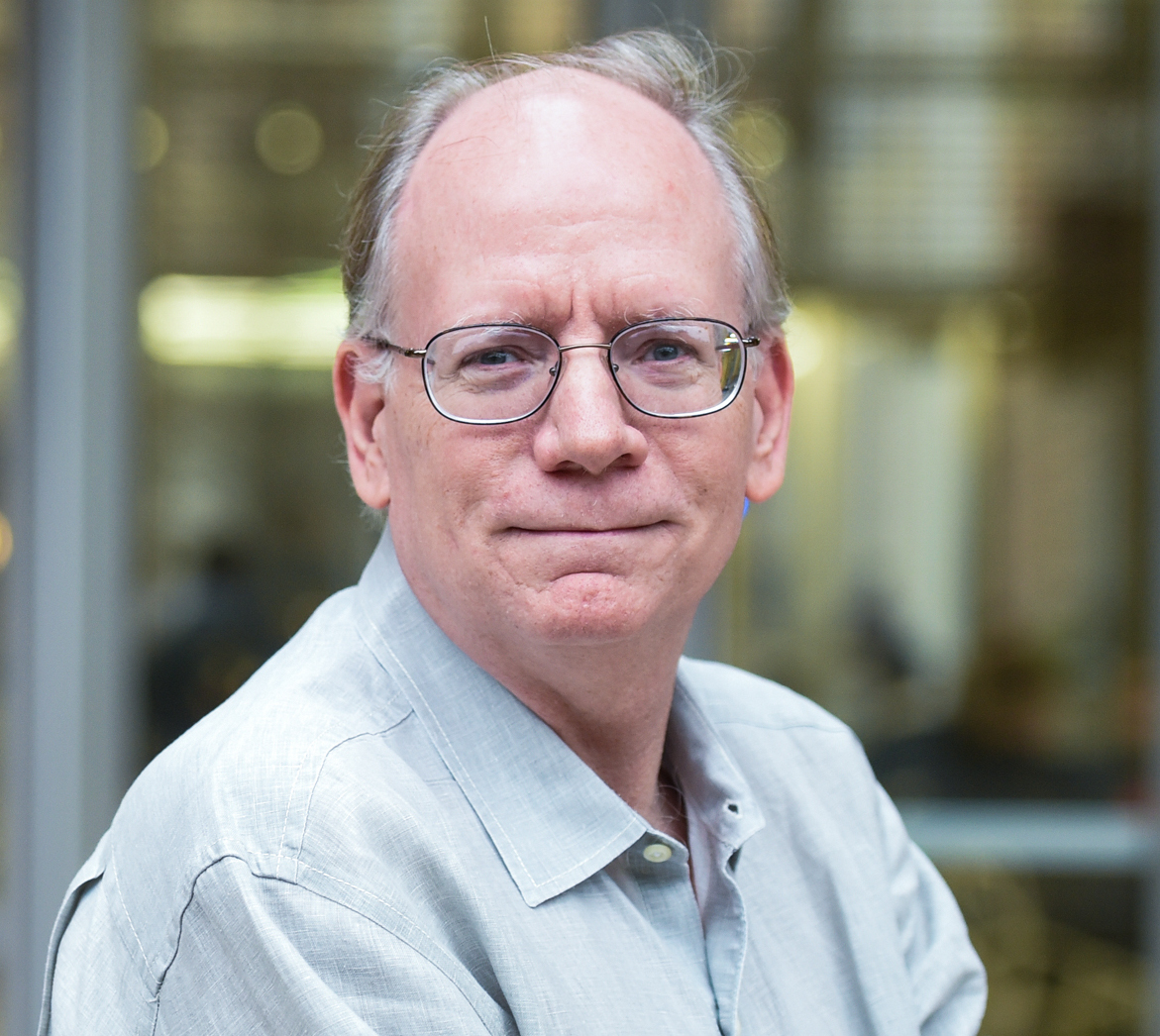
Bio: Raymond J. Mooney is a Professor Emiritus in the Department of Computer Science at the University of Texas at Austin. He received his Ph.D. in 1988 from the University of Illinois at Urbana/Champaign. He is an author of over 200 published research papers, primarily in the areas of machine learning and natural language processing. He was the President of the International Machine Learning Society from 2008-2011, program co-chair for AAAI 2006, general chair for HLT-EMNLP 2005, and co-chair for ICML 1990. He is a Fellow of AAAI, ACM, and ACL and the recipient of the Classic Paper award from AAAI-19 and best paper awards from AAAI-96, KDD-04, ICML-05 and ACL-07.