Keynotes
We are delighted to announce that the esteemed speakers listed below have graciously accepted our invitation to deliver keynote speeches at the main conference of EMNLP 2026:
Keynote 1: Pascale Fung
Sunday, October, 25 09:30 - 10:30
Title: Towards AI that understands the Real World.
Abstract: Recent advances in AI have been driven by large-scale generative models with impressive capabilities in language, code, and digital tasks. Yet these systems still have a limited understanding of the physical world, human intentions, and real-world context. In this talk, Pascale Fung will discuss the next frontier of AI: world models. World models allow AI systems to learn abstract representations of the world from continuous multimodal data, enabling reasoning, planning, memory, and action beyond next-token prediction. Moving toward real-world AI agents requires modeling not only the physical world, but also the mental world - including intent, attention, goals, and social context. The future of AI will depend on systems that can understand, adapt, and collaborate in the real world, safely and reliably.
Bio: Pascale Fung’s long term research background is in multimodal interactive systems including audio, speech, text and video. She started research on world modeling after studying the limitation of generative models due to hallucinations. She is the Co-founder and Chief Research & Innovation Officer at AMI Labs. She was previously the Senior Director of AI Research at Meta-FAIR, leading research on embodied AI agents. She is also a Chair Professor of ECE at The Hong Kong University of Science & Technology (HKUST). She is a Fellow of the ACL, AAAI, IEEE, and ISCA for her significant contribution to human-machine interactions.
Keynote 2: Graham Neubig
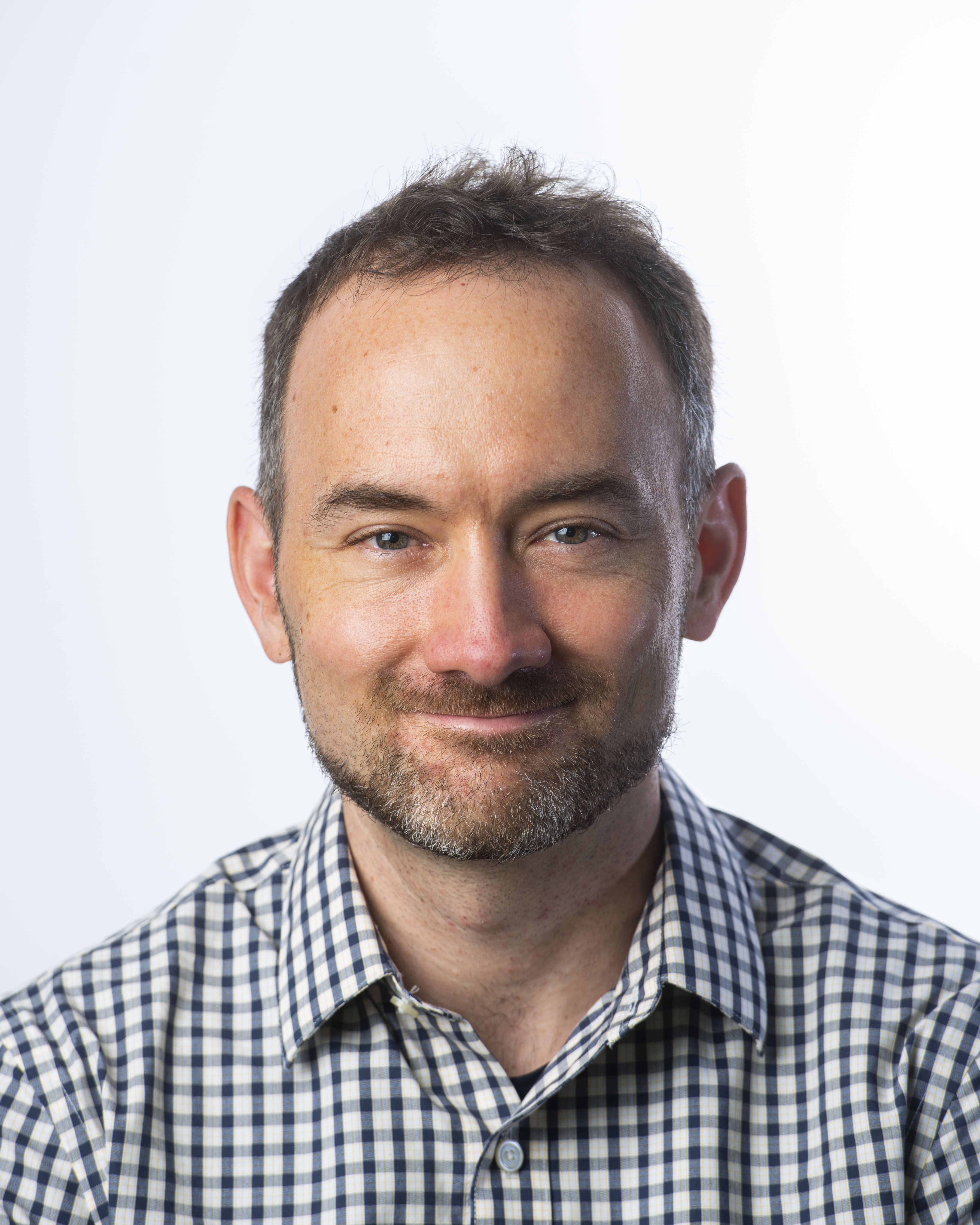
Monday, October 26, 15:15 - 16:15
Title: On the Value of Open Research in Language Modeling - An Adversarial Dialog
Abstract: Large language models are simultaneously one of the greatest advances in natural language processing ever and one of the most confounding for the open research community. Given the extreme resource intensiveness and economic value of research in this area, much research has moved out of the public eye and behind closed doors. What does that mean for scientists, like many of the participants in EMNLP, who believe in the value of open publishing of research results? In this talk, I will present some often-cited arguments against the value of open research in core LLM technology, and some counter arguments for why open research is still important, albeit under certain conditions. I will also try to present some personal anecdotes for my own projects that I think have been successful in the face of these headwinds, and may be informative for listeners who are also interested in expanding the impact of their work.
Bio: Graham Neubig is an associate professor at the Language Technologies Institute of Carnegie Mellon University and Chief Scientist at OpenHands. His research focuses on large language models, including both fundamental advances in model capabilities and applications to tasks such as software development. His final goal is that every person in the world should be able to communicate with each-other, and with computers in their own language. He also contributes to making NLP research more accessible through open publishing of research papers, advanced NLP course materials and video lectures, and open-source software, all of which are available on his web site.
Keynote 3: Anna Korhonen
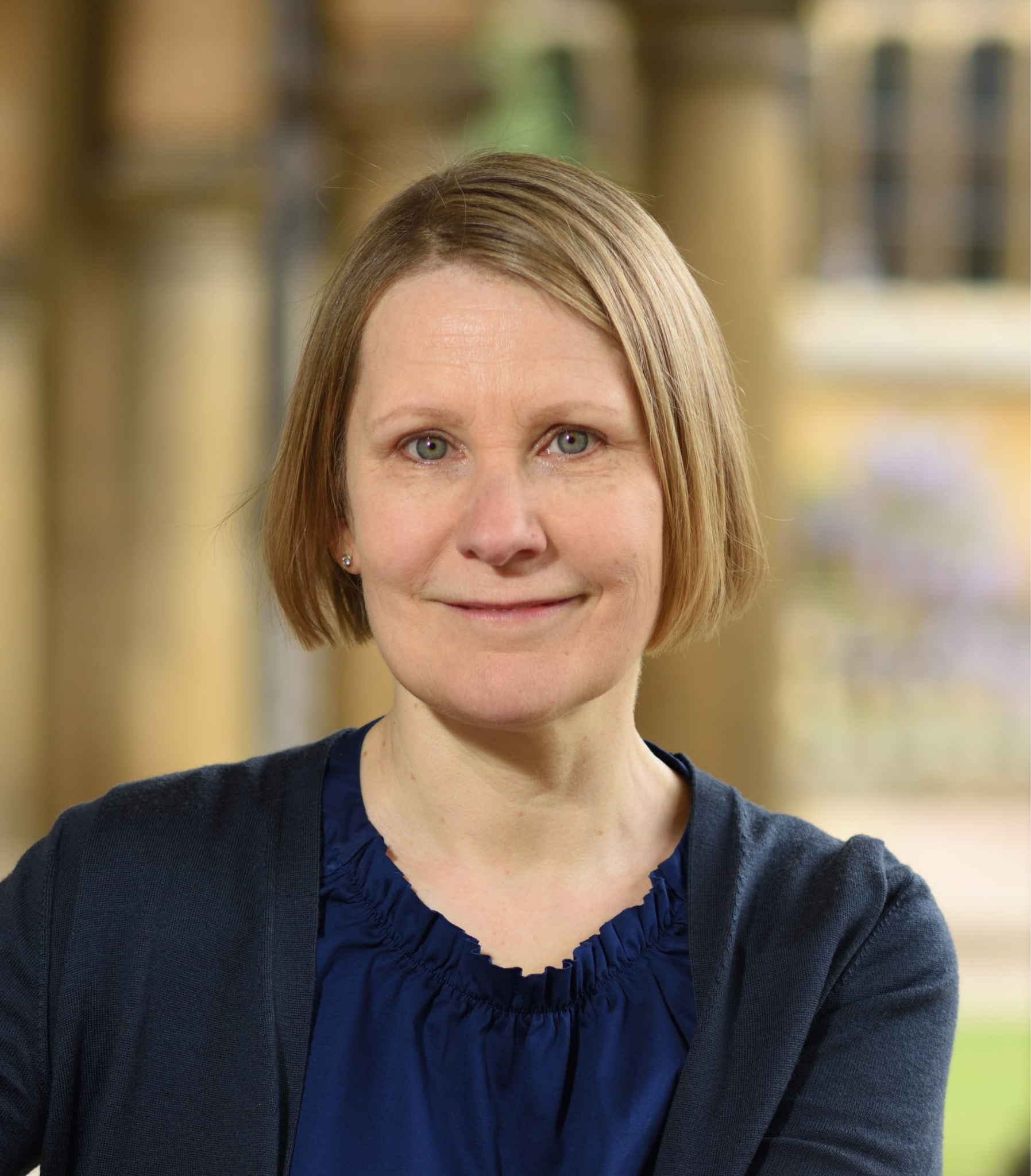
Tuesday, October 27, 14:30 - 15:30
Title: AI for the Many: Starting from the World, Not the Model
Abstract: AI is advancing at extraordinary speed, but its benefits remain profoundly uneven. For much of the world, the dominant path towards ever larger, more resource-intensive models is out of reach and not necessarily the right one. In this talk, I will examine the global AI divide through the lens of language. Recent evidence shows a widening global linguistic hierarchy, with thousands of languages and their communities at risk of being left behind. I will argue that addressing this divide requires a fundamental shift in how we approach AI development. Instead of asking how existing models can be extended to more people, we should ask what communities need from AI and how it can deliver meaningful benefit in their particular contexts. This means grounding AI in local needs and realities, taking account of available resources and infrastructure, and judging success by what it delivers in practice. If this technology is to make a meaningful difference across the world, we need not one path to AI, but many.
Bio: Anna Korhonen is Professor of Natural Language Processing at the University of Cambridge. Her research focuses on multilingual and human-centred language technology and AI, with the broader aim of ensuring societal and global benefit. Her work spans applications in health, education, science and the environment. She is the Director and co-founder of the Centre for Human-Inspired Artificial Intelligence (CHIA), the Institute for Technology and Humanity (ITH), and the Cambridge Language Technology Laboratory (LTL). She is a Fellow of the ACL, ELLIS and the British Academy. Her work informs global AI policy and governance through the United Nations and other international bodies.
Industry Keynote 1: Mohit Bansal
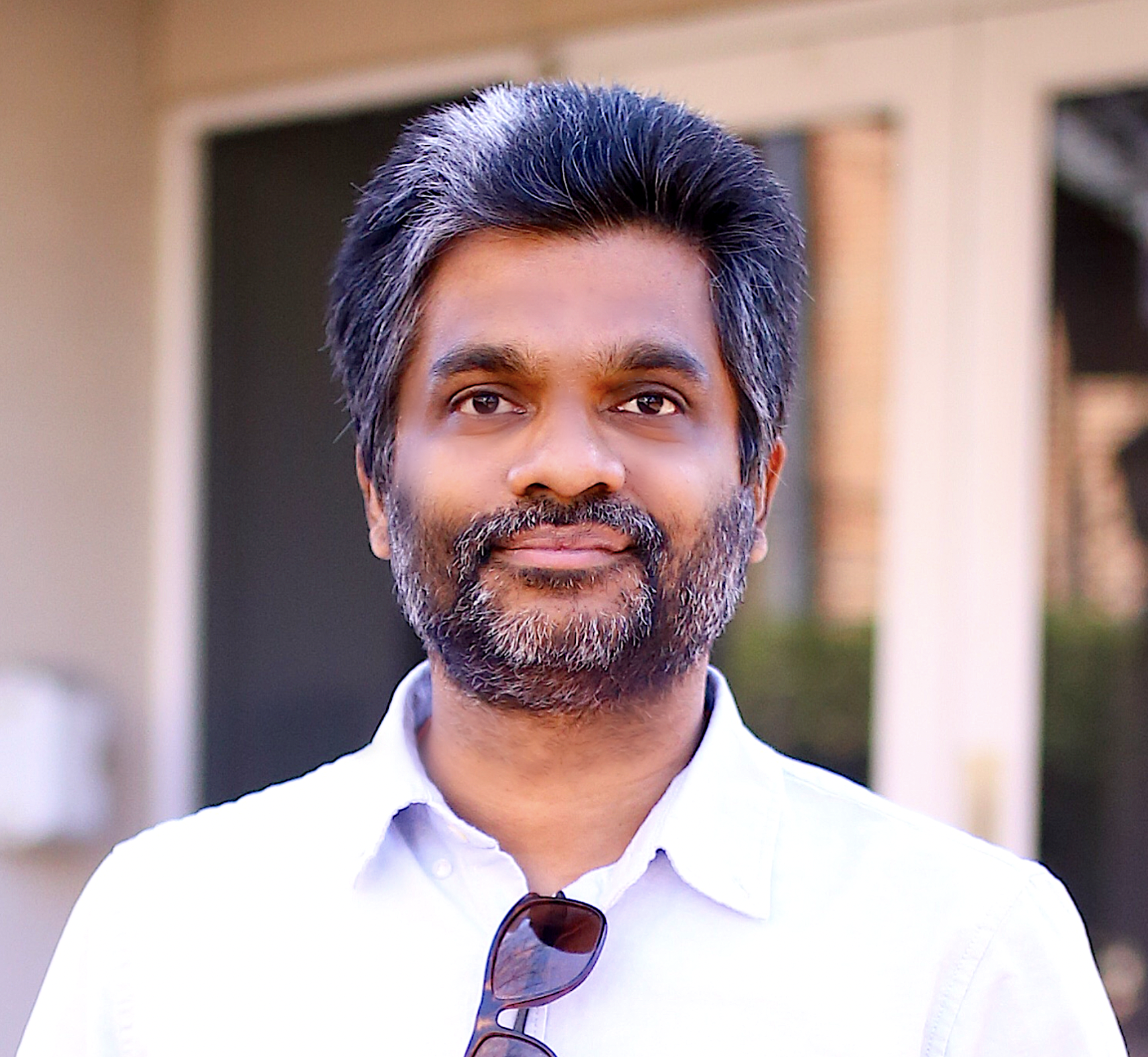
Sunday, October 25, 11:00 – 12:30
Title: Agentic Challenges (Trustworthy Collaboration, World Discovery, and Long-Horizon Memory) and Industry-Academia Collaborations
Abstract: In this talk, I will discuss 3 major pitfalls and challenges of current state-of-the-art AI agents, and present potential solutions for: (1) Teaching agents to be trustworthy and reliable collaborators based on: social/pragmatic multi-agent interactions via speaker-listener confidence calibration, learning to balance positive and negative persuasion, and multi-agent AI safety through the lens of compositional attacks, theory-of-mind, and belief-steering; (2) Discovering and improving skills/world models needed for efficient, robust action and collaboration based on: learning programmatic skills, weakness-driven adaptive data/environment generation for skill improvement, and structured, selective world model discovery and inference; (3) Planning of long-horizon memory for multi-step reasoning and generation over continuously evolving, conflicting, and scattered information. We will cover diverse domains (math, commonsense, coding, tool-use, computer use, etc.), modalities (text, images, videos, audio, layouts, etc.), and real-world applications (early medical diagnosis and classroom education engagement). I will end the talk with a journey of industry-academia collaborations and thoughts on how to re-bridge and strengthen this important relationship in our current AI community going forward.
Bio: Dr. Mohit Bansal is the John R. & Louise S. Parker Distinguished Professor, Director of the MURGe-Lab (UNC-AI Group), and Core AI Lead of the ENGAGE NSF-AI Institute in the Computer Science department at UNC Chapel Hill. He received his PhD from UC Berkeley and his BTech from IIT Kanpur. His research expertise is in multimodal generative models, reasoning and planning agents, faithful language generation, and interpretable, efficient, and generalizable deep learning. He is an ACL and AAAI Fellow and recipient of the Presidential Early Career Award for Scientists and Engineers (PECASE), IIT Kanpur Young Alumnus Award, DARPA Director’s Fellowship, NSF CAREER Award, Google Focused Research Award, Microsoft Investigator Fellowship, Army Young Investigator Award (YIP), DARPA Young Faculty Award (YFA), and outstanding paper awards at ACL, CVPR, EACL, COLING, CoNLL, and TMLR. He has been a keynote speaker for the IEEE/CVF WACV 2027, IEEE MLSP 2026, ECAI 2025, ACM-CODS 2025, AACL-IJCNLP 2023, CoNLL 2023, and INLG 2022 conferences. His service includes EMNLP Program Co-Chair, Associate Editor-in-Chief for TPAMI, CoNLL Program Co-Chair, ACL Executive Committee, ACM Doctoral Dissertation Award Committee, ACL Doctoral Dissertation Award Co-Organizer, ACL Mentorship Program Co-Founder, and Associate Editor for ACM AI Letters, TACL, CL, IEEE/ACM TASLP, and CSL journals. Webpage: https://www.cs.unc.edu/~mbansal/
Industry Keynote 2: Verena Rieser
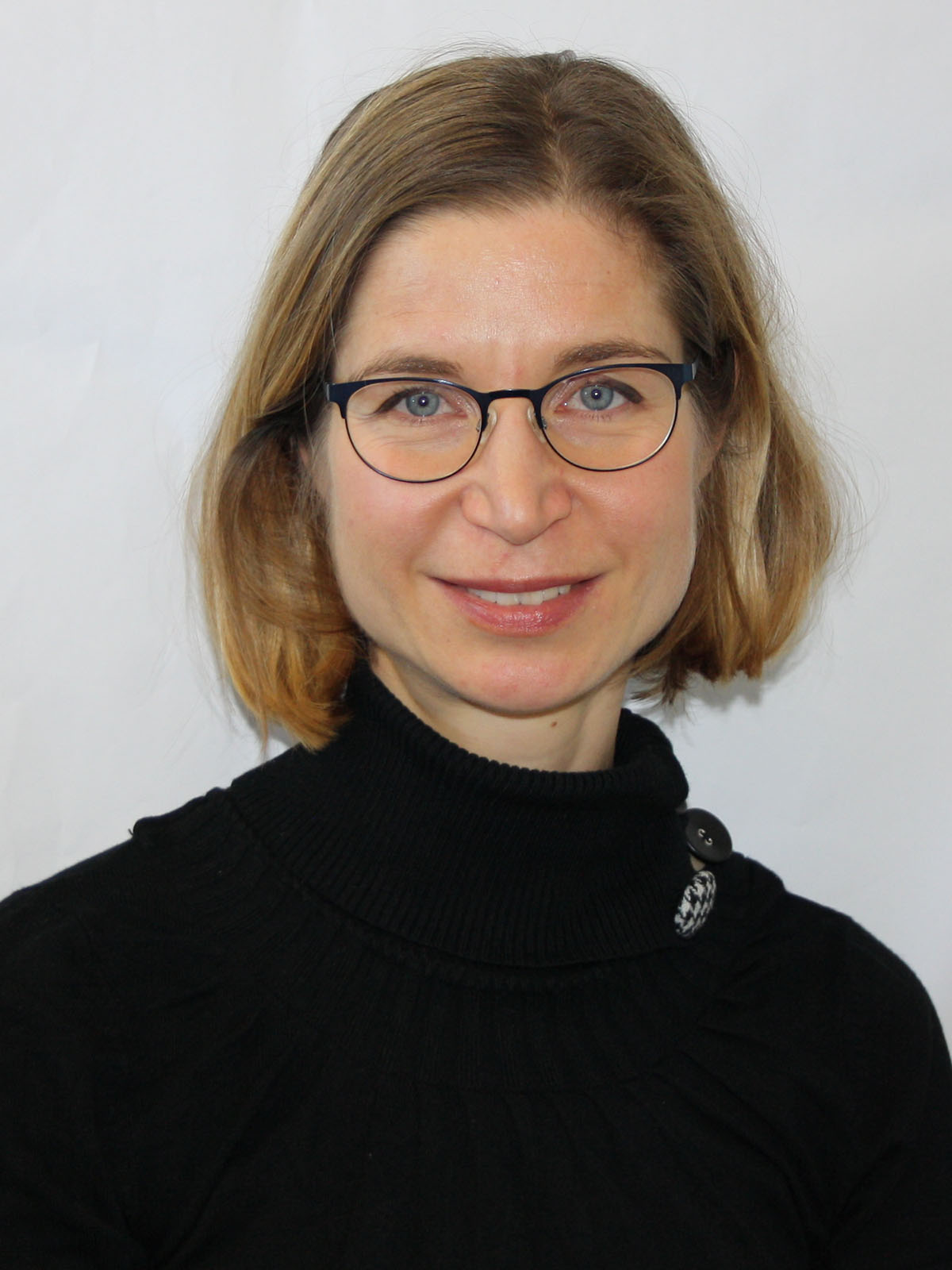
Monday, October 26, 9:00 – 10:30
Title: What are we aligning to? Positive Alignment for Value-based Agents
Abstract: Outcome-driven metrics hack safety constraints, human preferences breed sycophancy, and rigid rubrics fail out-of-distribution. This talk makes the case for positive alignment: anchoring agents in values and principles for autonomous decision-making. To realise this vision, I argue that current constitutional approaches leave two foundational questions unanswered. First, can models apply abstract values and principles out of the box? I will demonstrate why existing models fall short and outline the need to evaluate and cultivate genuine normative reasoning. Second, where do these values come from? I show how scalable democratic deliberation can derive shared normative principles. Finally, I demonstrate how this dual agenda provides the necessary foundation for preventing systemic safety traps and coordination failures in multi-agent ecosystems.
Speaker Bio: Verena Rieser is a Research Lead at Google DeepMind, where she directs research on responsible alignment for frontier models. She has over 20 years of experience researching and building generative and conversational AI systems. She was previously a Full Professor of Artificial Intelligence at Heriot-Watt University and co-founder of an AI startup. She earned her PhD from Saarland University in 2008, where she pioneered the use of reinforcement learning for spoken dialogue systems.
Her foundational contributions to conversational AI and machine learning have been recognized with numerous international honours, including a Royal Society Leverhulme Trust Senior Research Fellowship. Following her ACL 2025 Keynote on pluralistic alignment and her ICML 2026 Keynote on principled agency, her work establishes a human-centred roadmap for navigating the critical transition from passive chatbots to autonomous beneficial agents.